How Developer Financing Works Here
And why it changes the entire investment calculation

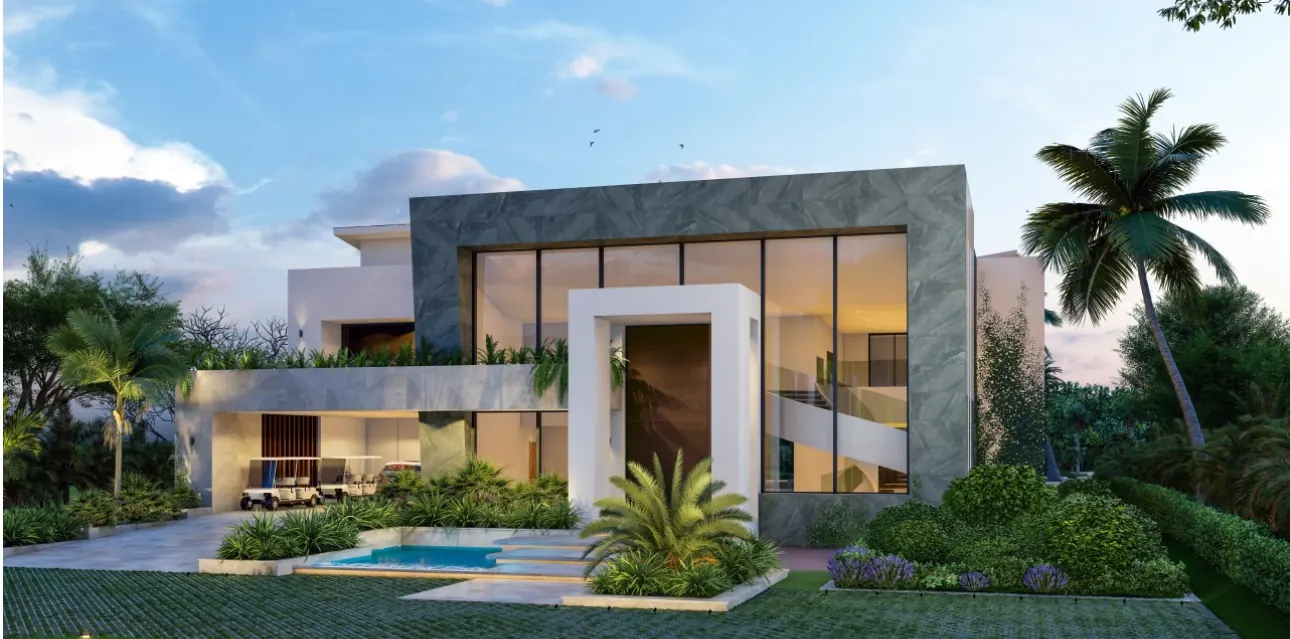
When European clients hear how pre-construction payment plans work in the Dominican Republic, the reaction is almost always the same: “Wait — interest-free? Where is the catch?” There is no catch, but there is a logic, and once you understand it you can use it to your advantage — or avoid the traps that come with it.
How a typical payment plan works
Most pre-construction developments in Punta Cana and Cap Cana follow a similar structure. You sign a reservation and a promesa de venta (promise of sale), paying roughly 10–30% of the price. The remaining balance is split into instalments during construction — usually over 24 to 48 months — and in most cases without interest. At delivery you pay the final balance, either in cash or with a mortgage from a Dominican bank.
Why do developers do this? Because buyers' instalments help finance construction at a lower cost than bank debt. You are, in effect, an early partner in the project — and you are rewarded with a pre-launch price.
A worked example
Take a US$250,000 unit with a 30% down payment. You commit US$75,000 at reservation. The remaining US$175,000 is paid over 36 months — about US$4,860 a month, with zero interest. Three years later, you receive a finished unit that you have paid for gradually, without ever borrowing at bank rates during construction.
Local market reports frequently show completed units in established communities trading 20–35% above the original pre-construction price (market-reported; not guaranteed, and highly project-dependent). When that happens, the gain is earned on a capital outlay that was spread over three years rather than paid upfront.
“The best payment plan in the world is worthless if the building is never finished. Choose the developer before you choose the plan.”
Bank financing at delivery
Foreign buyers can obtain mortgages from Dominican banks once the unit is delivered and titled. Market-reported terms for qualified applicants often fall in the range of 60–80% loan-to-value, with US-dollar rates that have typically been between about 8% and 12% and terms of up to 20 years. Some projects arrive with a bank already lined up: at Costa Bávaro Garden, for example, financing of up to 70% is available through a major Dominican bank for qualified local and international buyers.
Law 30-26 also helps here. The tax on registering a mortgage drops from 2% to 1% in 2027 and disappears completely in 2028 — a direct saving for anyone who plans to finance at delivery.
The risks you must manage
Interest-free instalments shift one big risk onto you: completion risk. If the developer runs into trouble, your money is tied up in an unfinished building. This is why I look at four things before I ever present a project.
The developer's delivered projects — not renders, but buildings you can visit and owners you can talk to. How buyers' money is protected — some projects use a trust (fideicomiso), as Costa Bávaro Garden does, which separates buyer funds from the developer's other activities. The contract — penalties for late payment by you, but also penalties for late delivery by the developer, and what happens if the timeline slips. CONFOTUR status — verified with the official resolution, so you know the tax benefits are real and how many years remain.
Finally, remember that payment plans are in US dollars. For euro-based investors, the currency moves during those 36 months can work for you or against you; it is worth planning the instalments, not just the total.
Using the plan strategically
Experienced buyers use payment plans in three ways: to secure pre-launch pricing in a strong project, to spread a large investment over several years of income, and to keep liquidity available for a second opportunity. Some negotiate a slightly higher down payment in exchange for a better price; others prefer the longest schedule possible. There is no single right answer — it depends on your cash flow, your exit plan and how long you intend to hold.
The bottom line
Developer financing in the Dominican Republic is genuinely powerful. It lets you buy at the best price of the cycle, pay over the construction period and decide at delivery whether to finance or pay cash. But like any leverage tool, it rewards the investor who does the due diligence first.
Tell me your budget and timeline, and I will show you which projects have the strongest payment plans right now — and which developers I trust to deliver them.
Trilingual real estate investment advisor in Punta Cana and Cap Cana, guiding international investors from first call to final deed.
WhatsApp +1 809 763 9328Instagram @walt.realestateLinkedInBook a consultation →