The Strategic Buyer Guide to Punta Cana
How serious investors approach this market — and what separates winners from tourists

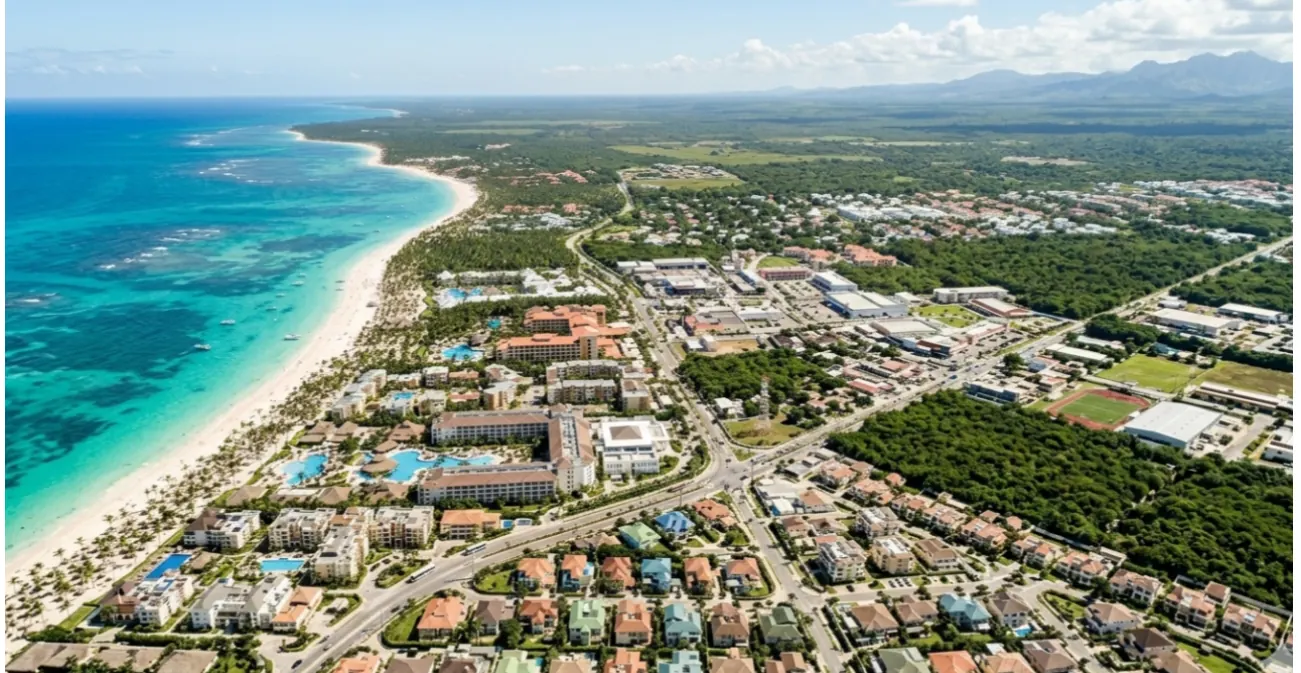
Most people who buy in Punta Cana do it the wrong way. They arrive on holiday, fall in love with the beach, visit a beautiful showroom with a glass of champagne in hand and sign the same week. Some of them do fine. Many overpay, buy in the wrong area or end up with a unit that is hard to rent because the building has no real management behind it.
The investors who do well here follow a different sequence. These are the seven steps I walk every client through — in this order.
1. Zone before project
Cap Cana, Cana Bay, Los Corales, Bávaro, Cabeza de Toro and Coral Golf, Juan Dolio, Santo Domingo East — each area has a different guest, a different price level and a different resale market. Cap Cana commands the highest prices and attracts the highest-spending visitors. Los Corales offers walkability to the beach and restaurants. Coral Golf suits golfers and owners who want quieter, greener surroundings close to the airport. Juan Dolio and Santo Domingo East serve the capital's market and a different kind of tenant.
Decide which zone fits your goal — rental income, personal use, capital growth or a mix — before you look at a single brochure.
2. The developer is the product
In pre-construction, you are not buying a building. You are buying a developer's promise to finish one. Price per square metre means nothing if the building is delivered two years late or the rental programme is badly run. Visit projects the developer has already delivered, talk to owners, ask about delays in previous phases. This is the single most important filter I apply.
3. CONFOTUR — verified, not assumed
CONFOTUR (Law 158-01) waives the 3% transfer tax for the first buyer and exempts the annual property tax for up to 15 years from the project's certification. It is a real advantage — but it belongs to the project, not to you. Ask for the resolution number, confirm it with the official registry and check how many years of the exemption remain on the date you buy.
“In pre-construction, the developer is the product. Visit what they have delivered, not what they have rendered.”
4. Decide your tax regime before you sign
Under Law 30-26, the Dominican Republic distinguishes clearly between two ways of owning an income property. As a passive investor, your rental income is subject to a 15% withholding on gross rent and your capital gain at sale is taxed at a flat 10%. As a commercial short-term rental operator — Airbnb, Booking, VRBO run as a business — you pay income tax on net profit, charge 18% ITBIS on stays and face 27% on the gain at exit. The two regimes are mutually exclusive. The right choice depends on your project, your operator and how involved you want to be, and it changes the real return far more than a one-point difference in gross yield.
5. The rental programme is part of the asset
Most buyers here are absent owners, so management quality is a value driver, not a detail. A hotel-grade operator — Aston at Poseidonia, Wyndham at Oceana, INNSiDE by Meliá at Aquamarine, the TLDI team at Bonita Beach — can make a significant difference to occupancy and nightly rates. Ask for the operator's contract, its fee, how revenue is reported and how many weeks of personal use you keep.
6. Model the full cost of ownership
A gross yield is not what lands in your account. Budget for condominium fees (often around US$2 per square metre per month in Punta Cana, market-reported, usually including pool, security and gardens), property management (commonly 18–20% of gross rental revenue, market-reported), insurance including hurricane cover, electricity in the eastern corridor, and furnishing if the unit is delivered empty. Only after these costs and the right tax scenario do you know your real return.
7. Plan the exit on day one
The Dominican resale market is thinner than Europe's or the United States': there is no MLS and selling usually takes longer. Buy units that the next buyer will want — good floor, good view, strong operator, sensible size — and think about whether you will sell to an end user, an investor or a resident. With Law 30-26 the 10% flat rate on passive gains makes the exit cleaner than before; a good unit makes it faster.
Bonus: protect yourself legally
Use your own independent lawyer for the title search, review the promesa de venta and the condominium regulations (Reglamento de Co-Propiedad), and register the title in your name at the Registro de Títulos. Foreigners have exactly the same property rights as Dominicans — make sure your paperwork reflects that.
The bottom line
The Dominican Republic is an excellent market for the informed investor. The key is approaching it like an investor — not like a tourist who decided to buy something.
Book a consultation and we will go through these seven steps together, with real projects that fit your budget and goals.
Trilingual real estate investment advisor in Punta Cana and Cap Cana, guiding international investors from first call to final deed.
WhatsApp +1 809 763 9328Instagram @walt.realestateLinkedInBook a consultation →