Punta Cana vs The World
Why the Caribbean still wins on price, yield, and access

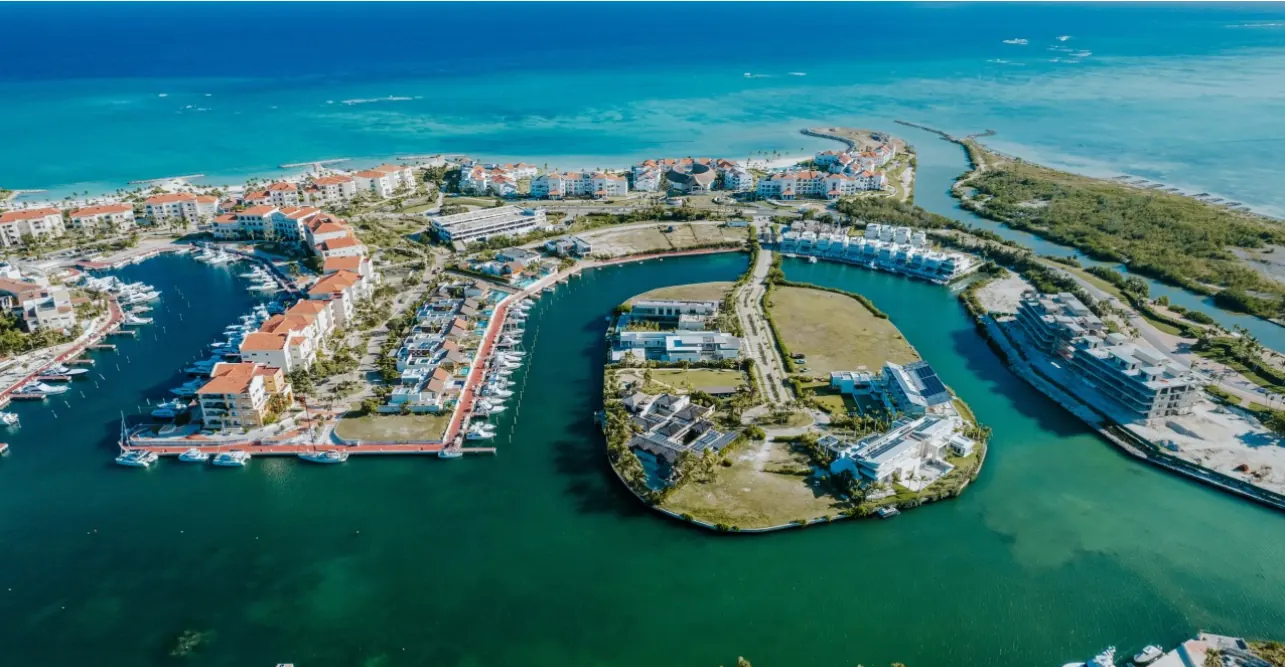
Many investors who contact me arrive with the same spreadsheet open. Lisbon in one column. The Algarve, Tenerife or Malta in the next. Miami or Dubai somewhere at the end. And then Punta Cana, added almost as an afterthought.
By the end of a serious comparison, that last column is often the one worth reading most carefully. Not because the Caribbean is exotic, but because when you line up the numbers honestly, Punta Cana and Cap Cana keep winning on the three things that actually decide an investment: what it costs to get in, what it pays you while you hold it, and how much friction stands between you and the deed.
1. The entry ticket
In Lisbon, a mid-range apartment in a tourist district has been trading at roughly 6,000–8,000 euros per square metre. In Malta, values have pushed past 4,000 euros per square metre. Those are not luxury addresses — they are the ordinary stock that holiday tenants book.
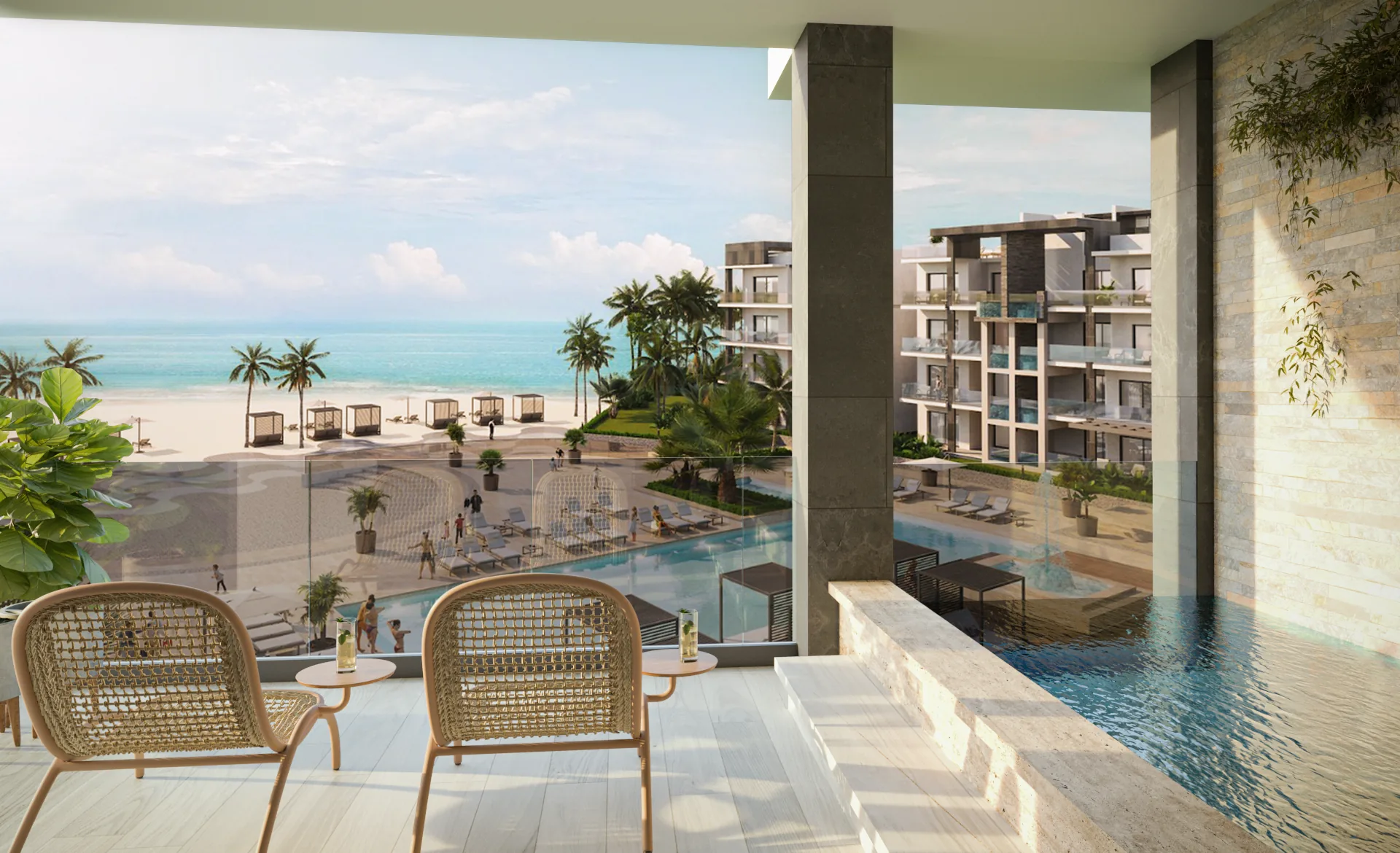
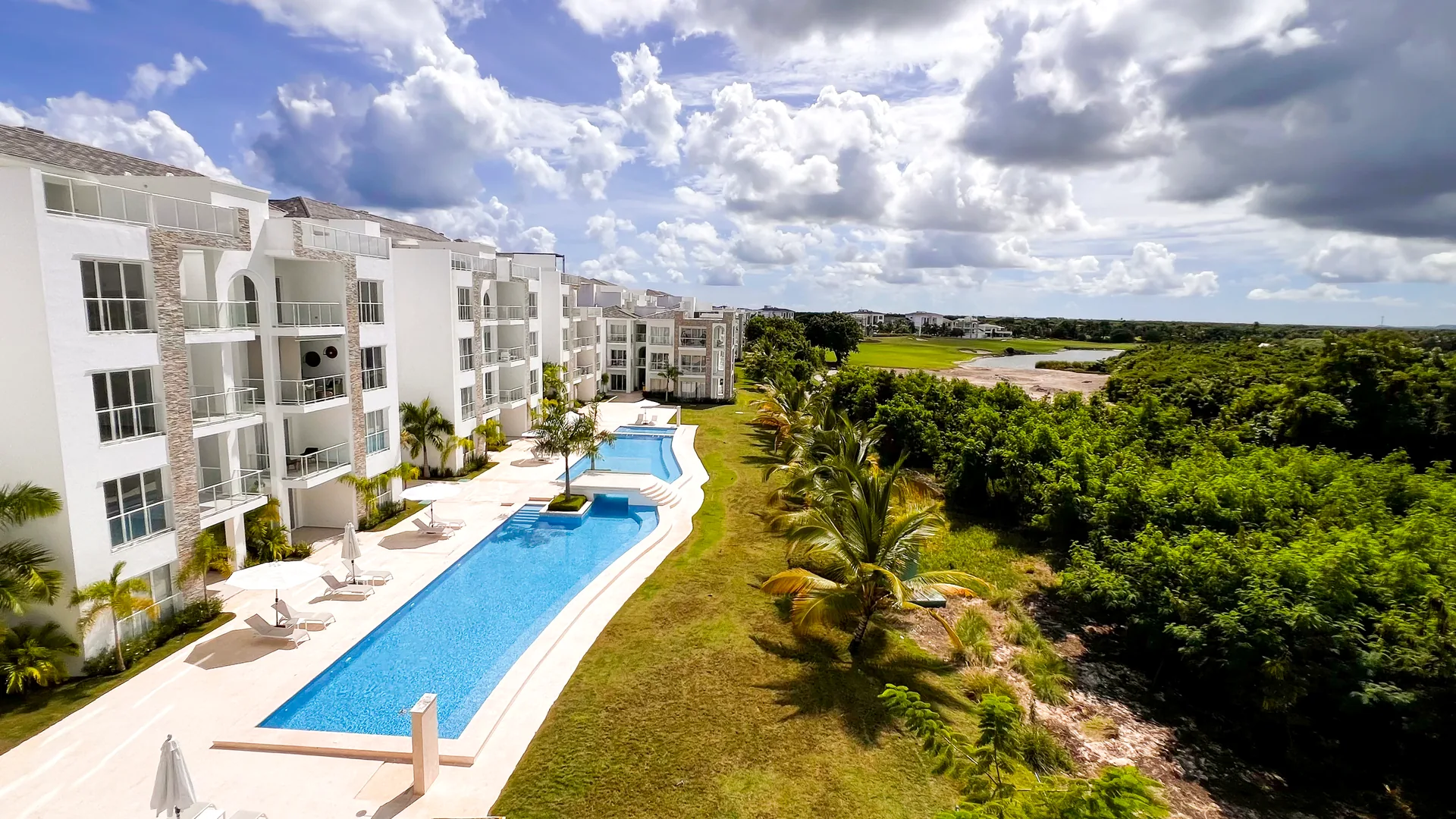
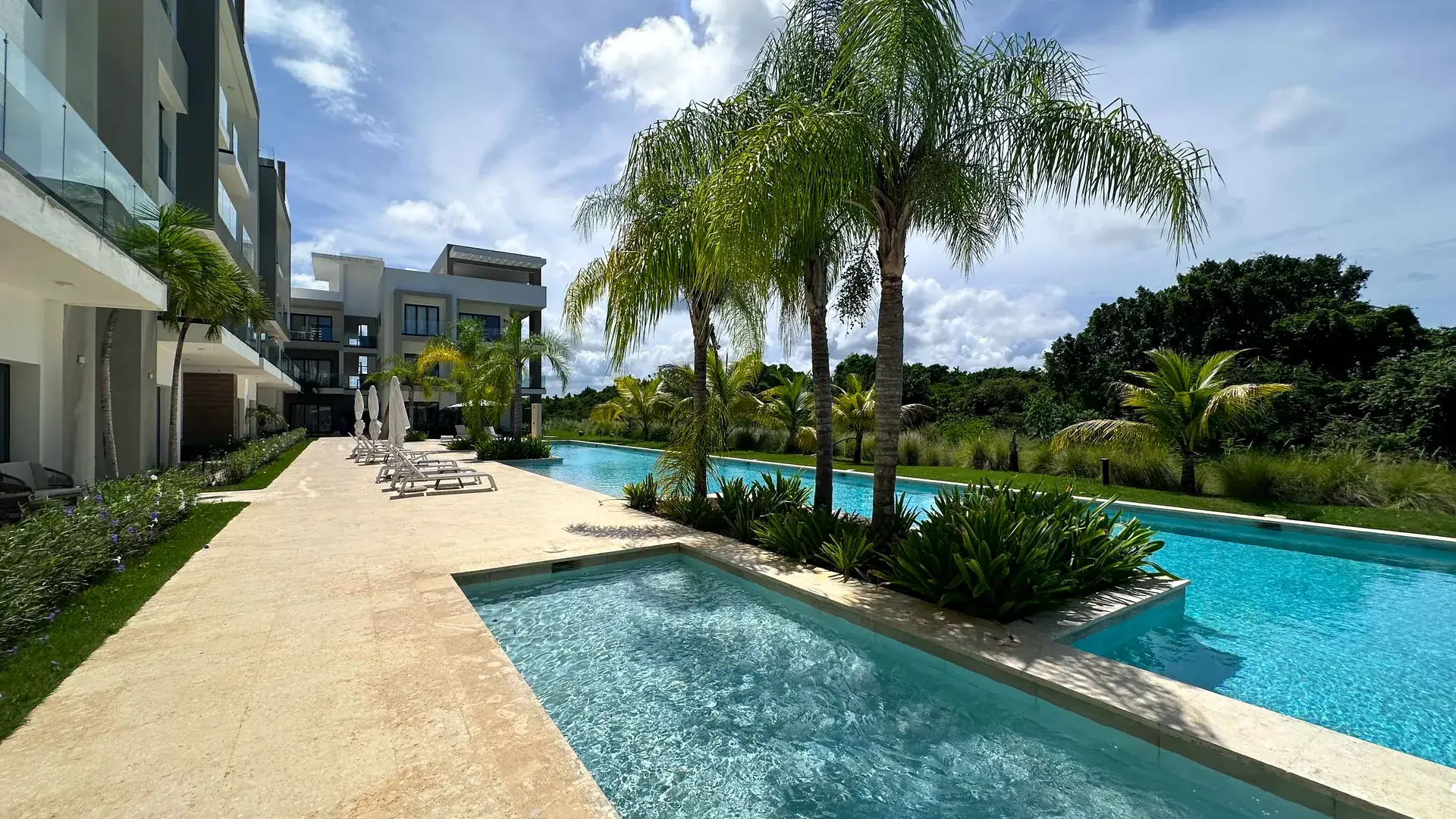
In Cap Cana and the best parts of Bávaro, pre-construction condominiums in branded, gated, resort-style communities have been launching at roughly US$1,800–2,800 per square metre (market-reported ranges, not an official index). For that price you are not buying a flat above a shop. You are buying into a master-planned community with pools, security, beach clubs and, very often, a hotel-grade rental operator already attached.
Lower entry also means something people forget: a smaller cheque to diversify. For the price of one apartment in Southern Europe, an investor can often buy two units here, spreading risk across two projects instead of concentrating it in one.
2. What the property pays you
In the European markets on that spreadsheet, gross rental yields have been compressed to around 3–4% as prices outran rents. In Punta Cana, well-managed vacation units have been reporting gross yields in the 7–10% range (market-reported; your actual result depends on the project, the operator and how you rent).
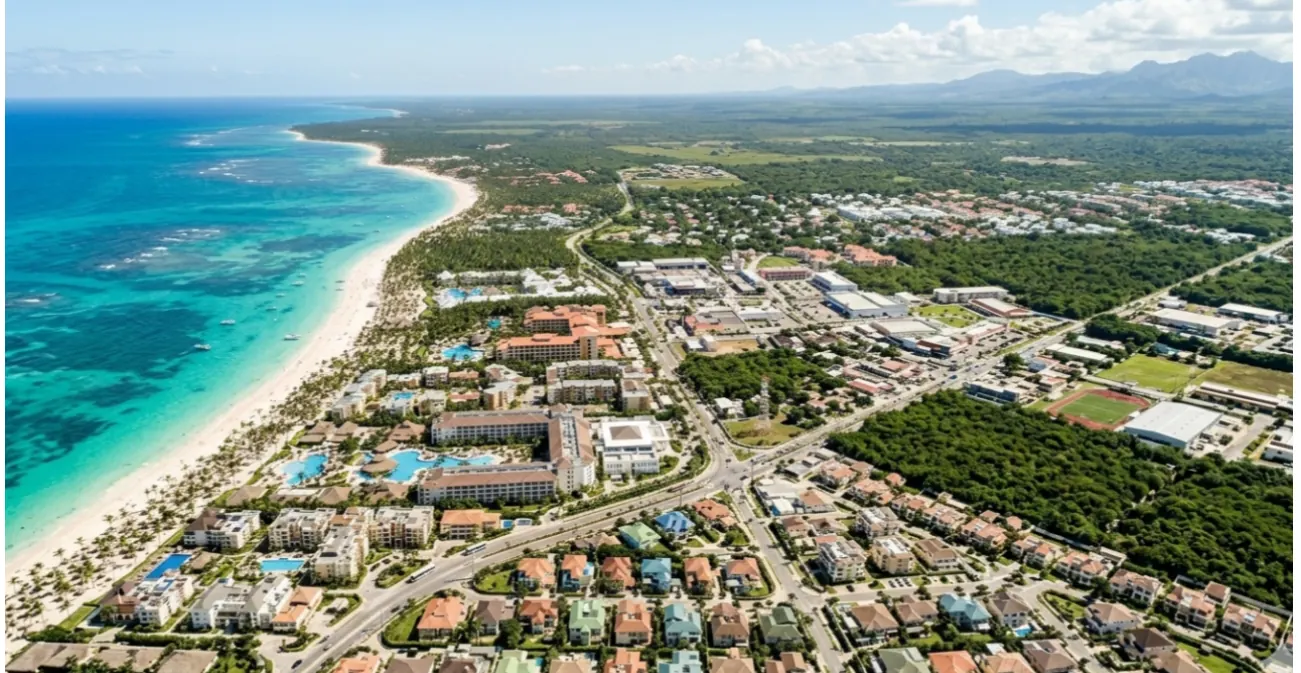
The reason is simple: demand. Punta Cana International Airport handled more than 11 million passenger movements in 2025, up almost 10% on the year before, and the country is on a record pace for 2026. Tourists do not come for a weekend — they come for a week, they come in families, and a growing share of them want an apartment rather than a hotel room.
“Yield is not a promise — it is the result of location, operator and tax structure working together. Get those three right and the Caribbean numbers speak for themselves.”
3. The tax architecture — explained correctly
This is where most comparisons go wrong, so let me be precise. The Dominican Republic offers two layers that work together.
CONFOTUR (Law 158-01) applies to tourism-approved projects. For the first buyer it waives the 3% transfer tax, and it exempts the annual property tax (IPI, 1% on value above the exemption threshold) for up to 15 years from the project's certification. Note the detail: the clock starts with the project, not with your purchase, so always ask how many years remain.
Law 30-26, in force since June 2026, modernised how income and gains are taxed. If you hold the property as a passive investment, rental income is subject to a 15% withholding on gross rent and, when you sell, capital gains are taxed at a flat 10%. If instead you run the unit as a commercial short-term rental business — Airbnb, Booking, VRBO — you are taxed as a commercial activity: income tax on net profit, 18% ITBIS on the stays, and 27% on the gain at exit. The two regimes are mutually exclusive, and choosing the right one before you buy is part of the strategy.
Compare that with Spain or Portugal, where non-resident owners face higher rates on both rental income and gains, plus local licensing that can switch off your holiday-rental income overnight. The DR's framework is written into law, and it is one of the clearest in the region.
4. Friction to buy
In Mexico's coastal zone, a foreigner cannot hold title directly — every purchase goes through a bank trust with set-up and annual fees for as long as you own it. In the Dominican Republic, there is no such layer. Foreigners hold freehold title in their own name, registered in a Torrens-style land registry under Law 108-05, on exactly the same terms as Dominican citizens, including on the beach. No local partner, no trust, no special company required.
Add a residency option — an investment of US$200,000 or more can qualify you for investor residency under Law 171-07 — and a market that prices almost everything in US dollars, and the friction disappears for most North American and European buyers.
5. What the spreadsheet does not show
I would not be doing my job if I only showed you the good columns. The Dominican market is less transparent than Lisbon or Miami: there is no MLS and no official national price index, resales take longer, and the quality of developers varies enormously. Hurricane insurance, electricity in the eastern corridor and condominium fees all need to be modelled honestly, not left for later.
That is exactly why the choice of project and developer matters more here than almost anywhere else — and why the projects I present are filtered before they ever reach you.
The bottom line
If your goal is pure capital appreciation in a deep, liquid market, Southern Europe still has arguments. If your goal is a real asset you can enjoy, that pays you while you hold it, with a clear tax framework and direct ownership, the Caribbean is not a consolation prize. It is the calculation that keeps winning.
Send me your own spreadsheet. I will add the Punta Cana column with real projects, real payment plans and the tax scenario that fits you — and we will see together which numbers hold up.
Trilingual real estate investment advisor in Punta Cana and Cap Cana, guiding international investors from first call to final deed.
WhatsApp +1 809 763 9328Instagram @walt.realestateLinkedInBook a consultation →